

Thank you for Subscribing to Eldercare Review Weekly Brief

Centers Health Care
Heidi Hendrix, Chief Nursing Officer, and Jennifer Holt, Corporate Director of Clinical Informatics
ElderCare in the 21st Century, Delivering Personable Care More Quickly and Efficiently-Technology Advancements in ElderCare
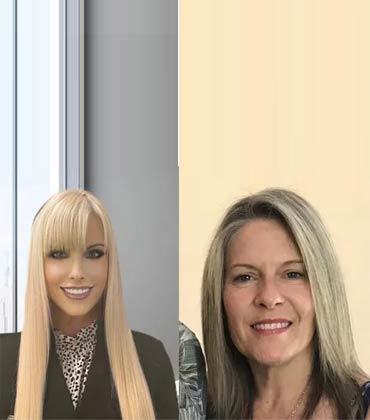
Heidi Hendrix
Introduction
While nothing can ever replace human touch and in-person care in the world of facility-based ElderCare, advancements in technology have accorded providers and caregivers more insight, knowledge, and rapid feedback regarding their patients and the ability to deliver quality and personalized care in a safe home-like environment. Health informatics, being profoundly integrated with technology and electronic medical records in the skilled nursing setting, is a huge evolution in the clinical arena and one that facilitates countless advances in quality care and treatment. Today’s electronic health systems allow for speedy information transfers, amalgamated and efficient care. Technology advances in the eldercare setting continue to skyrocket with the upper limit not foreseen in the near future. Telemedicine Telemedicine continues to evolve for the elderly population and is particularly beneficial in rural areas where access to health-related services is lacking. Patients utilize a computer, tablet, or phone to instantly connect with a provider. "There continues to be a rising demand for mobile technology and innovative mobile solutions in nursing homes" Cost savings with the telemedicine approach are significant and quality of life is improved by not having to leave the home-like setting. Remote monitoring tools are often utilized by the telehealth practitioner and this allows facilities to care for complex patients that may need a visit consultation more frequently. Wearable medical devices are often used via the telemedicine approach and collect data and provide alerts about serious medical issues. This affords physicians and patients alike to monitor and assess health risks and benefits, allowing the patient to remain in a comfortable setting. Electronic Medical Record System Electronic Medical Record (EMR) systems have created huge strides in the efficiency and centralization of patient information. They are also used as data outcomes and population health tools. Integrating systems into a single structured patient platform allows more integrated and efficient care for patients. EMR systems incorporate innovative technology to detect medication errors, allergies, contraindications, overdose alerts, and other security features to ensure care is delivered safely. EMR’s allow practitioners to analyze patterns, trends, and anomalies. Today’s EMR systems permit health information exchange with hospitals so patient data is easily available to the skilled nursing setting and provides seamless transitions and efficiencies with care delivery.The articles from these contributors are based on their personal expertise and viewpoints, and do not necessarily reflect the opinions of their employers or affiliated organizations.
